
How to make Money with your drone in Construction

Updated: Jun 26
Six Tips to Prepare You for Success
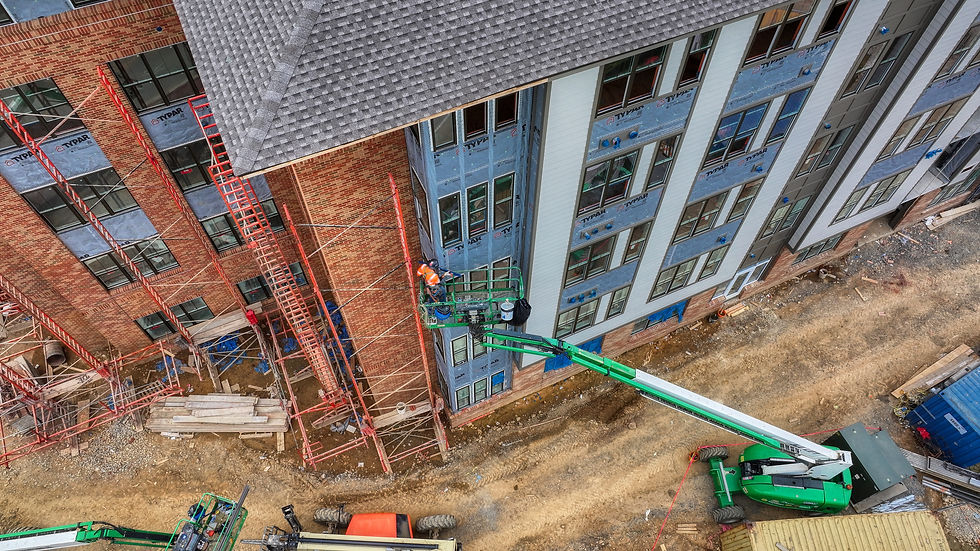
When I flew my first construction job, the initial flights were relatively simple. A flat location with no buildings and endless line of sight made the weekly missions quick and easy. But, as the building progressed, sight lines became obscured, and the number of obstacles increased. My work had to change as the project continued.
Even the most seasoned drone pilot must make adjustments when venturing onto a construction site for the first time. With heavy machinery, swinging crane arms and ever-mounting steel, this constantly-evolving environment presents an alarming number of potential drone hazards around every turn. How do you continue to maximize your time on site and minimize downtime for an efficient and productive mission in ever-changing surroundings? Here are six tips to help you do just that.
1. Set standards and procedures and make sure you follow them.
Besides the normal planning process, it’s important to have procedures in place for general construction operations. In addition to weather minimums, these procedures should address mission safety and include contingencies for flight ops around cranes, blasting, and other construction-specific situations. And since the site is constantly changing, set standards for automated flight and for checking obstacle height in advance of flight. Pre-flight should always be on your list, but make it a priority here. Construction-related hazards such as vehicles, pits and no-entry zones should be noted and observed.

2. Consider Safety
For your first time on site, your client will probably require you to attend a safety briefing specific to that location. If not, you should make sure to put together a list of questions to ask before you start missions. Questions to ask might include: Will cranes be present and if so, what will be their maximum height? Are there any restrictions when flying around cranes? If blasting, will your radio frequency be restricted? Are you restricted to certain areas on foot or by vehicle? Be alert at all times and be cognizant of any barriers and markers. Never cross barriers without first asking or knowing what they mean. If you’re unsure about a certain area, ask someone before entering. Know your obstacle heights-don’t just guess. If you’re programming shots, check the path at a higher altitude first before flying automation. And, make sure it’s ok to drive onsite. Usually, this is spelled out in the contract and insurance documents before the job starts. However, construction site access and egress points are constantly changing. Heavy equipment such as cranes and earthmovers can block pathways temporarily. Always know where you can and can’t go-whether in a vehicle or on foot.
3. Communicate Clearly
For new sites, try and arrange a kick-off meetings to demonstrate what you can offer, ascertain what they want/need and to emphasize safety. This will also help maximize your efficiency by not capturing shots and angles your client doesn’t want or need. On mission days, always check in with the office in case there’s a pressing issue they want you to capture that day. Send regular email alerts before flight missions to remind them you are coming and alert them to any new features that may be available. If possible, schedule regular Post-mortems pointing out suggestions, problems or potential focuses of next missions.
4. Anticipate Customer Needs

If you see something that looks dangerous, say something. You’ve got a unique vantage point and speaking up may help prevent an accident from happening. Pay attention to high-traffic access areas and roads, new features, changes and updates and any “abnormal” areas. In addition to the “big picture”, make sure to capture visual details of anything out of the ordinary and point it out in your reports. For instance, with sites early in the process, ask about the need for Topographic maps and cut/fill measurements.
5. Find Partners you Trust
The upside to construction jobs is that the contracts usually entail regular missions for months at a time. That’s good for the wallet, but can be challenging for a busy pilot’s schedule. Get to know other pilots and partner with them for days you can’t fly-or for skills and ratings you don’t have yourself. Know what you can do, do it well, and bring in a partner when it’s beyond your capability or out of your area of expertise. Make sure to have a “Non-Compete” agreement in writing before the job comes up. And be sure to spell out everyone’s rights and responsibilities along with chain of command so there’s no confusion with the client.
6. Cinematography “Rules” Still Apply!
One of the things I like about flying construction sites is that the client usually loves whatever I do. As long as I know the what they need and deliver on time, I have the chance to be creative without having to hit a shot list with specific pictures a director may have in mind but isn’t communicating. And, although the data is usually king, cinematography rules still apply here. So, remember to think of your platform as an extended jib. Set up shots to include lots of foreground to accentuate movement; automate your orbits, include up, down and side reveals, and remember to keep your shutter speed 2x your frame rate for smooth video.
Construction data gathering and progress flights can be a lucrative and rewarding area for Commercial Drone Pilots who know how to communicate, prioritize and efficiently get what the customer wants on every mission. Keeping these tips in mind will help you do just that.

Mike Sobola is an EMMY Award-winning Drone Pilot with Mid-Atlantic Drones. He has logged more than 3000 hours as Pilot-in-Command of a drone, many of those coming from flying active construction sites. His book "How to Make Money With A Drone" is available on Amazon. Mid-Atlantic Drones specializes in Drone flights throughout the Washington, D.C. Airspace and the D.C. Flight-Restricted Zone.


Comments